
Yonsei Dairy
Yonsei Dairy couldn't stop people from reselling its products. Here's how the 60-year-old dairy company found the sellers behind its listings, acted on marketplace compliance violations and kept its online channel in order.

- 40–60%↓Exposure to unauthorized listings
- 70%+↓Time spent on manual response work
“MarqVision is a key partner that laid the foundation for Yonsei Dairy to keep its online distribution stable and in order. Marq AI gives us real control through automated monitoring and enforcement, and I strongly recommend it to any brand still struggling with gray market distribution or price disruption.”
When online growth brings sellers you never approved
Yonsei Dairy has made milk, soy milk and fermented dairy products in South Korea since 1962, with quality and safety as its first priorities. As more of its sales moved online, revenue grew quickly. So did the number of sales channels and resellers carrying its products, many of them sellers Yonsei Dairy had never authorized. Profitability did not keep pace with revenue.
The Challenge
A distribution network too complex to trace
The company works with a wide range of distribution partners, which made it hard to see where the weak points in its supply chain were. Problems kept surfacing on certain channels, and the team could not trace where they started. Retail partners in offline stores kept asking about what they were seeing online, and the sales and e-commerce teams had to keep checking listings and responding.
For a food brand, unauthorized distribution goes beyond lost sales. It can affect product safety and the trust customers place in the brand. Before April 2025, tracking all of this was the job of one person on the e-commerce team, who did it by hand.
The Solution
From chasing listings to managing sellers
In most markets, reselling genuine products is not a violation in itself. A brand can't simply remove a seller because it never authorized them. The useful questions are different: who is behind these listings, and which marketplace compliance rules do the listings break?
MarqVision approached Yonsei Dairy's channel in three steps.
See: count sellers, not listings
Resellers often came back under new account names or with a different way of selling, so removing individual listings didn't solve the problem for long. Marq AI links listings to the seller behind them, even when that seller changes its name or the way it sells. Yonsei Dairy points to this as the turning point: it could manage the gray market as a whole instead of one listing at a time.
MarqVision monitored Yonsei Dairy's products across major Korean marketplaces, flagged violating listings and identified the unauthorized resellers behind them.
Act: enforce on compliance violations
MarqVision doesn't report a listing for its price or because the seller isn't authorized. Instead, it uses compliance-based enforcement: each report cites the specific marketplace compliance code a listing breaks, or the brand's copyright when a seller uses its official images. For Yonsei Dairy, the main grounds were:
- Missing required product information. Food listings that leave out the expiration information that marketplace compliance codes require.
- Misuse of official images. Sellers using Yonsei Dairy's own product photos without permission, reported on copyright grounds.
Seeing sellers as a whole also changed what a single action could achieve. One seller had been on Yonsei Dairy's priority list since before it started working with MarqVision. After MarqVision reported the seller's listings under the compliance code for missing expiration information, the store was closed, and Yonsei Dairy listings from related sellers came down as well.
Hold: from clean-up to steady state
MarqVision first focused on clearing the backlog of existing listings. Once that was done, the work shifted to steady-state monitoring: new resellers are handled as soon as they appear, and detection and enforcement volumes have come down and leveled off.
Many of the listings that came down were removed by the sellers themselves.
The Results
What changed for Yonsei Dairy
Yonsei Dairy estimates that its exposure to unauthorized listings on major platforms has fallen by 40–60%. The manual response work that one e-commerce team member used to handle has dropped by more than 70%. Instead of cleaning up problems after they appear, the team now manages its online channel in advance.
What other brands can take from this
Marketplace rules differ by country, and so do the grounds a brand can act on. The approach travels:
- See. Track the sellers behind your listings, not just the listings.
- Act. Enforce on compliance violations, citing the specific compliance code each listing breaks.
- Hold. Once the backlog is cleared, catch new sellers as they appear, so a small team can keep the channel in order.
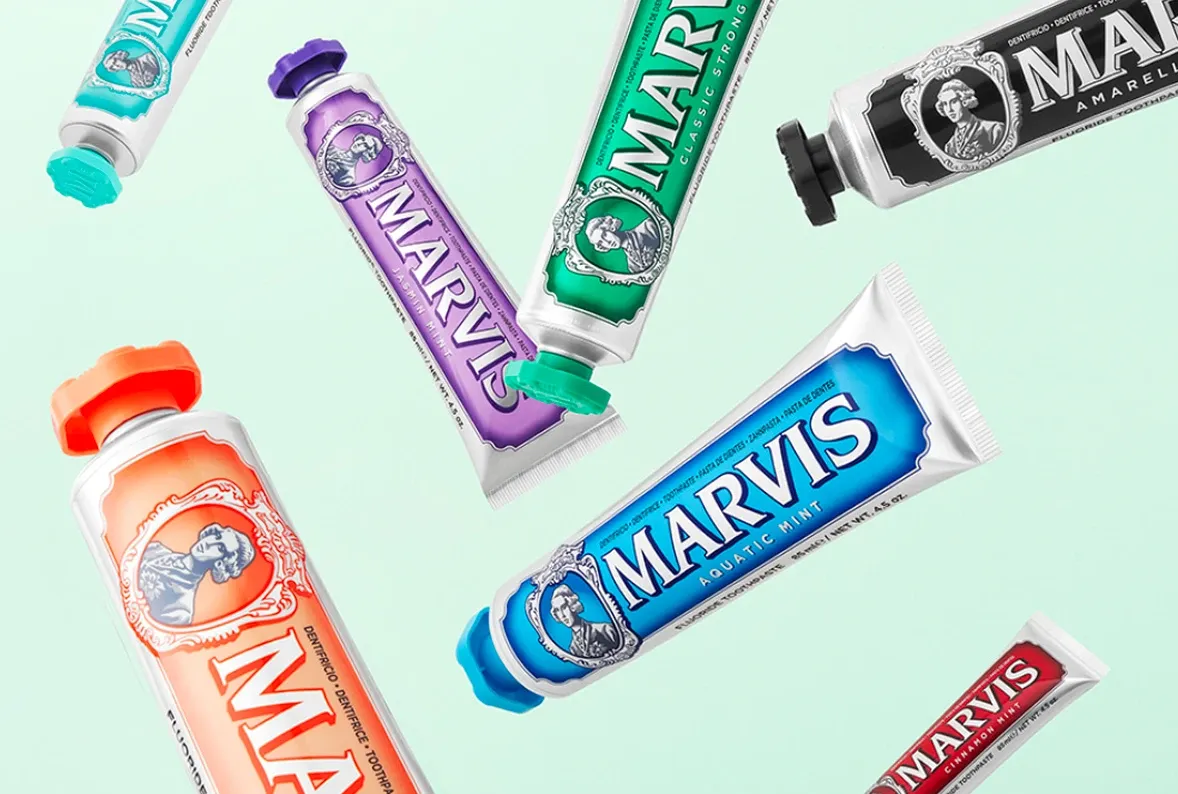
Marvis KoreaConsumer goods
1,200+Infringing and unauthorized listings removed
Marvis Korea automated its response to gray-market sellers and counterfeits with Marq AI, and put seller, price and distribution data to work in real decisions with Brand Intelligence, building an AI-driven operation that lets an online team of just two manage the entire brand.
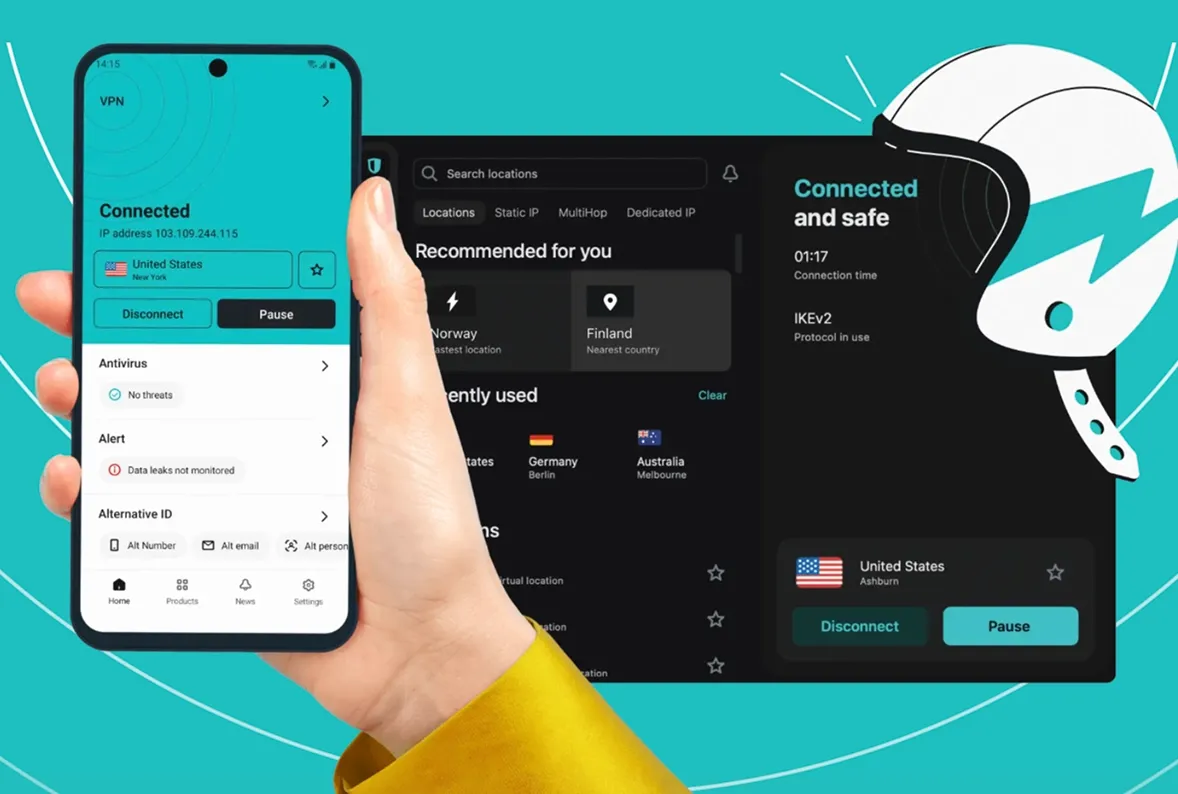
SurfsharkSoftware & apps
2,146unauthorized listings removed across marketplaces
Unauthorized resellers cleared from Shopee, eBay and beyond, and a manual review process retired.


F&FFashion
10,000+detections per month
Counterfeit and gray-market sellers posing as official retailers, found across nine countries.
See what’s selling under your name.
Bring a brand and a market. We’ll show you the fakes, imposters and unauthorized sellers, and what removing them is worth.