Unauthorized Sellers in FMCG: Why Brands Are Losing Control of Their Distribution
FMCG brands face rising threats from unauthorized resellers. Learn the hidden costs, reseller tactics, and strategies to protect pricing power and trust.
 Abby Lin4 min read
On this page4
Fast-Moving Consumer Goods (FMCG), from diapers and detergents to shampoos and handwash, are the everyday essentials that drive constant demand. Because purchase cycles are short and predictable, brands can build stable distribution strategies around repetitive buying behavior.
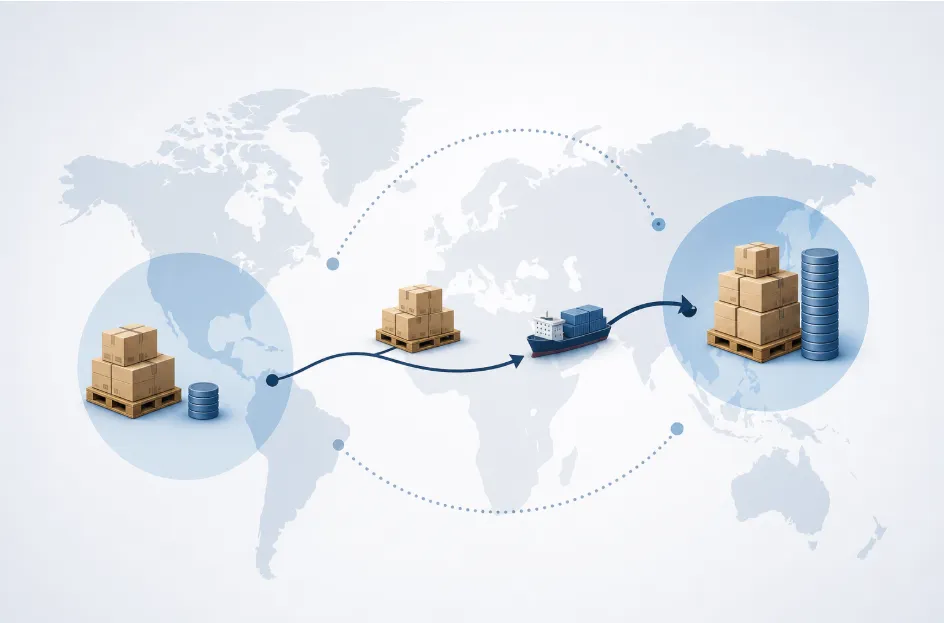
However, this same predictability makes FMCG especially vulnerable to unauthorized sellers, often called black resellers. These actors exploit fast turnover and low unit costs to move large volumes of product through unofficial distribution channels. Their methods are evolving, and brands are struggling to keep pace.
Why FMCG Is a Prime Target for Unauthorized Sellers
Certain characteristics of FMCG products make them attractive for gray-market activity:
- High purchase frequency: Products run out quickly, creating stable, predictable demand.
- Low unit price: Affordable items lower the barrier to purchase and are easily flipped for profit.
- Hard-to-spot authenticity: Consumers often can’t distinguish genuine from diverted stock, making it easy for unauthorized sellers to blend in.
- Online-driven sales: With e-commerce driving FMCG growth, brands lack full visibility and control over every sales channel.
Together, these traits make it simple for black resellers to transact quickly and with little risk, fueling the spread of unauthorized sales across online marketplaces.
How Unauthorized Sellers Exploit FMCG Brands
Black resellers typically rely on two main tactics:
- Community-driven unofficial stores
Price-sensitive FMCG buyers share “lowest price” tips across forums, chat groups, and social media. Once a seller gains traction through word-of-mouth, they effectively become an untraceable, and of course, unregulated distribution channel, shaping brand perception without accountability. - Bulk buying during promotions
Unauthorized sellers purchase large quantities during seasonal or promotional discounts, then resell at higher prices afterward. This undermines acquisition campaigns and forces authorized distributors to compete against artificially low prices.
The Hidden Costs of Unauthorized Sales
The impact of unauthorized resellers extends far beyond short-term lost revenue. Brands face:
- Erosion of brand image and consumer trust
- Rising customer service and operational costs
- Strained relationships with authorized partners
- Long-term loss of pricing power in key channels
How FMCG Brands Can Respond
Stopping unauthorized sales requires more than takedowns. Brands need real-time monitoring, seller-level intelligence, and evidence-based enforcement. Best practices include:
- Monitoring across all online channels: Not just marketplaces, but also forums, blogs, and social platforms.
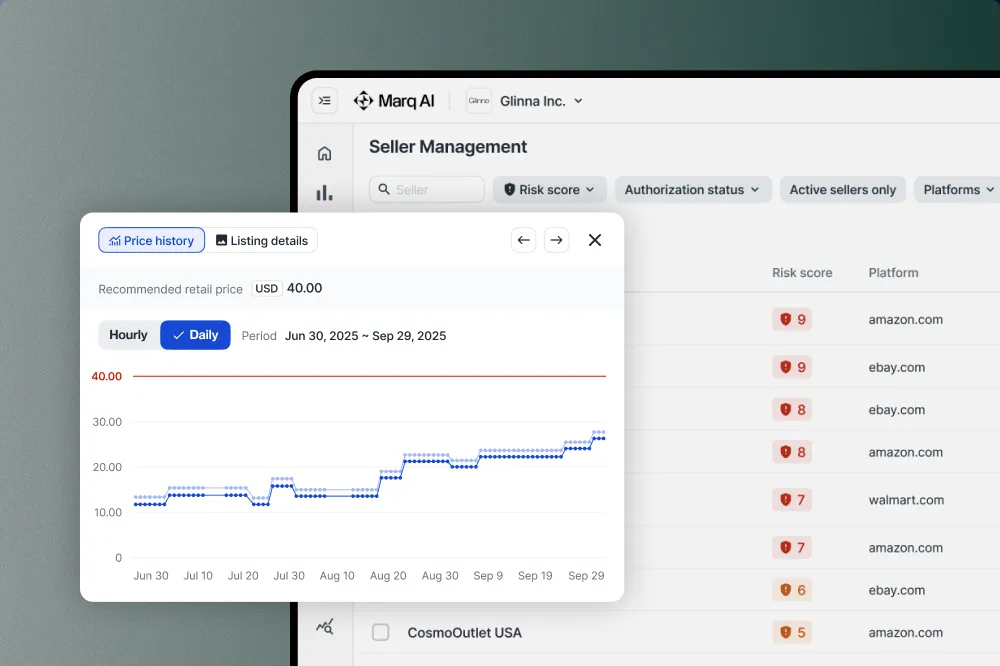
- Analyzing sales patterns: Detect bulk buying, repeated violations, or unusual price movements.
- Identifying and sanctioning bad actors: Use data to escalate cases with platforms for suspension.
- Strengthening partner agreements: Include clear resale prohibitions and train partners on compliance.
MarqVision: An All-in-One Solution for FMCG Brand Protection
MarqVision equips FMCG brands with AI-powered monitoring and enforcement tools:
- Multi-platform detection: From Amazon and eBay to Coupang and Naver.
- Seller-level pattern analysis: Identify unauthorized resellers across networks.
- Automated documentation: Generate legal-ready reports and filings instantly.
- Real-time dashboards: Track enforcement progress and price recovery rates.
Conclusion
In FMCG, the unauthorized reseller problem is about more than just lost sales. It threatens brand equity, partner trust, and long-term competitiveness. By adopting data-driven monitoring and proactive enforcement, brands can regain control over distribution and protect their consumers.
With MarqVision, FMCG companies can identify unauthorized sellers, streamline enforcement, and safeguard their presence in the digital marketplace. Want to learn more? Request a demo today.