MarqVision Paid Ads Coverage Now Goes Beyond Meta: Google, Bing, and TikTok
Scam and impersonation ads follow your customers from feeds to search. MarqVision Paid Ads Protection now detects and reports them on Meta, Google, Bing, and TikTok.
 Ryan KimPrincipal Product Marketing Manager4 min read
On this page4
In April, we launched Rapid Takedowns: AI agents that find and take down fake domains, scam ads, and impersonation websites. End-to-end median response time is under 9 hours. Until now, our paid ads coverage stopped at Meta.
But your customers don’t stop at Facebook and Instagram. They scroll TikTok, and they search for your brand on Google and Bing.
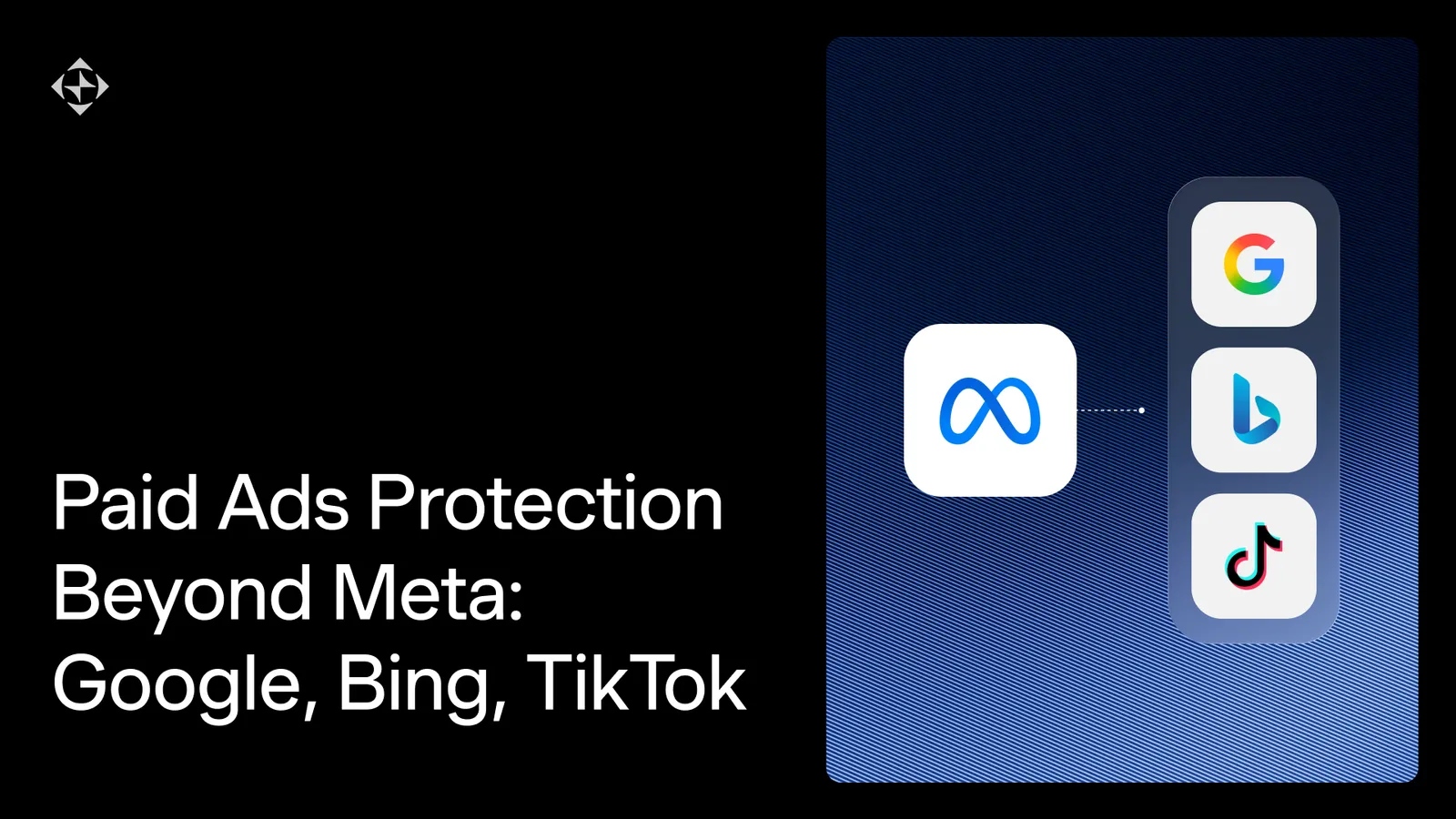
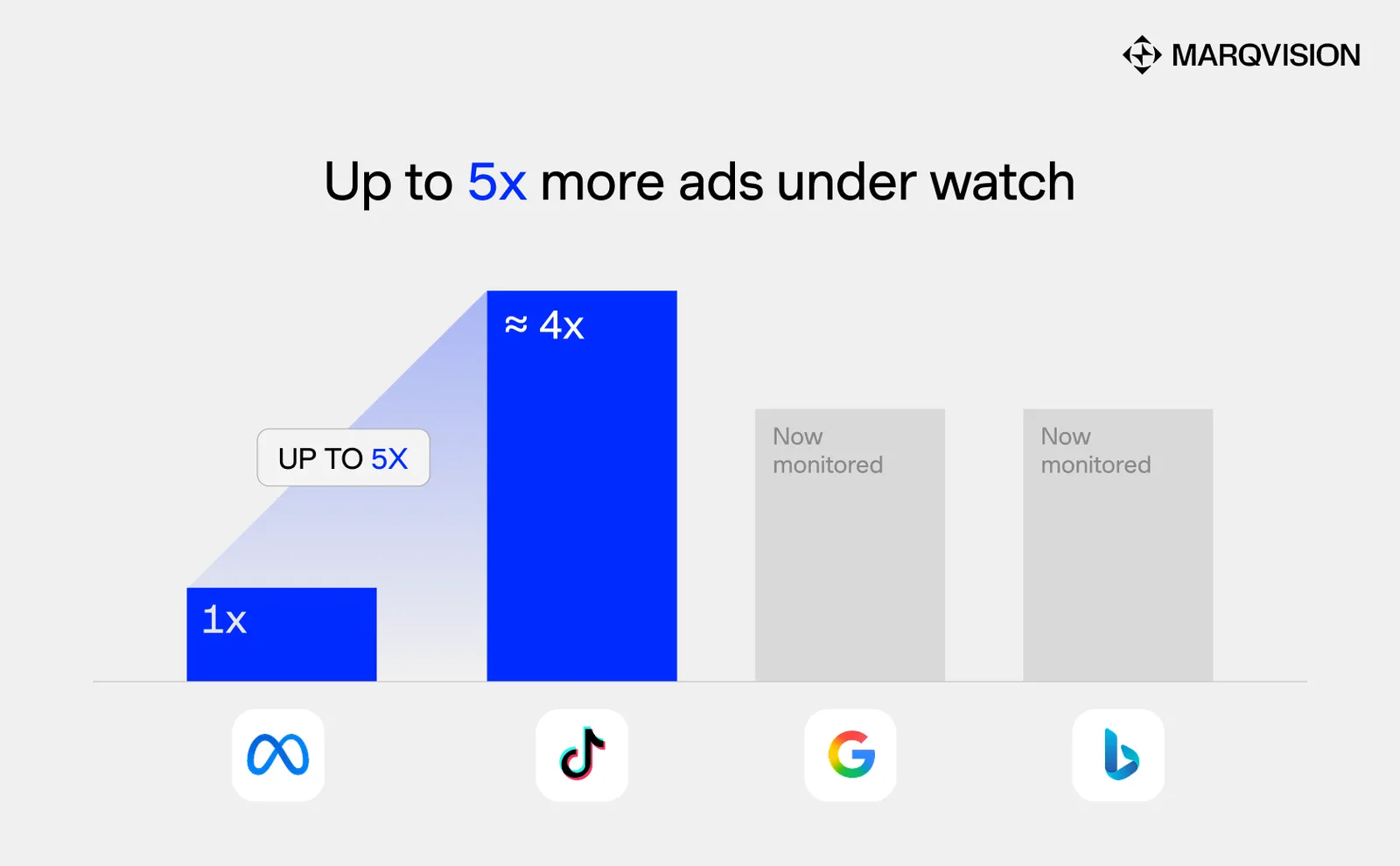
Today, MarqVision Paid Ads Protection goes beyond Meta to Google, Bing, and TikTok. We now cover all major social media and search engine ads, making us the only AI Brand Protection platform that can serve customers full-cycle.
For the brands we scanned in September, that means up to 5x more ads under watch.
Every channel intercepts a different moment
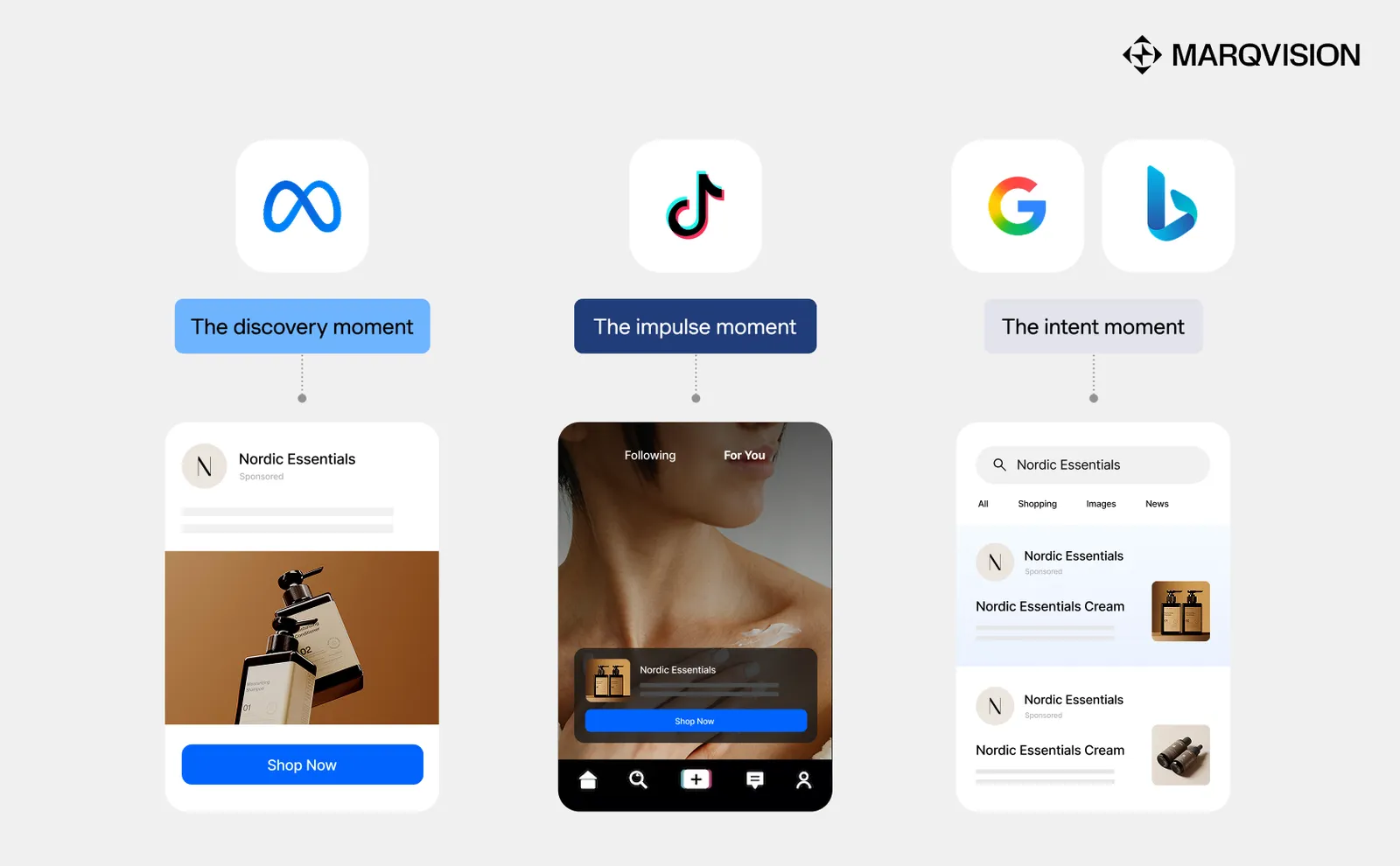
Each ad platform reaches your customer at a different point on the way to a purchase. A fake ad on each one does a different kind of damage.
- Meta: the discovery moment. Shoppers scrolling a feed come across a product they weren’t looking for. A fake ad here introduces them to a counterfeit before they ever meet you. This is where MarqVision’s paid ads protection started.
- TikTok: the impulse moment. A short video, a deal that looks too good, a checkout link a tap away. A fake ad here converts before the shopper stops to check. It’s also where the volume is.
- Google and Bing: the intent moment. The customer has already chosen you. They typed your brand name into a search bar. A sponsored scam ad above your official result intercepts the highest-value click in your funnel, from someone who was ready to buy from you.
Paid ads are harder to monitor than most channels
Two reasons stand out.
- Search ads change by location. The same brand keyword can return different sponsored results in different cities. A search from headquarters rarely shows what a customer in another market sees.
- Every platform is its own silo. Each ad library, search engine, and reporting flow works differently. Monitoring them one by one means separate tools, separate spreadsheets, and gaps between them.
Introducing expanded Paid Ads coverage
MarqVision Paid Ads Protection now covers Meta, Google, Bing, and TikTok, in the same dashboard and the same workflow.
- Detect and Analyze. Tell Marq AI your brand keywords and the markets you sell in. On Google and Bing, it watches sponsored results across web, mobile, and Google Shopping, market by market, so you see the ads your customers see, not only what shows up from headquarters. On Meta and TikTok, it scans ad libraries for ads using your brand.
- Classify and Score. Every ad is classified by threat type (phishing, counterfeit, trademark abuse, copyright infringement, fake persona, or publicity rights), with the reasoning and a risk score. Ads from all four platforms land in the same Flagged queue.
- Enforce and Remove. You approve, and MarqVision prepares the report and files it with the platform.

Protection has to follow the whole path to purchase: the feed, the video, the search bar. Not just the marketplaces where you sell.
FAQ
Which ad platforms does MarqVision Paid Ads Protection cover?
Meta (Facebook, Instagram, Messenger, and Threads ads), Google (web, mobile, and Shopping ads), Bing (web and mobile ads), and TikTok. All four run in the same dashboard and workflow.
What types of threats does it detect?
Phishing, counterfeit, trademark abuse, copyright infringement, fake persona, and publicity rights. Each flagged ad comes with its threat type, the reasoning behind it, and a risk score.
How does Google and Bing monitoring handle different markets?
You set the brand keywords and the markets that matter to you. Marq AI checks sponsored results in each market, so you see the ads shown to customers there, not only the ones visible from your own location.
Do I review ads before anything is reported?
Yes. Flagged ads wait in your queue, and your team decides what to enforce. Once you approve, MarqVision prepares the report and files it with the platform.
How accurate is Marq AI’s paid ads detection?
During the beta, Marq AI held 86.3% accuracy across 3,315 paid-ad incidents on Meta.